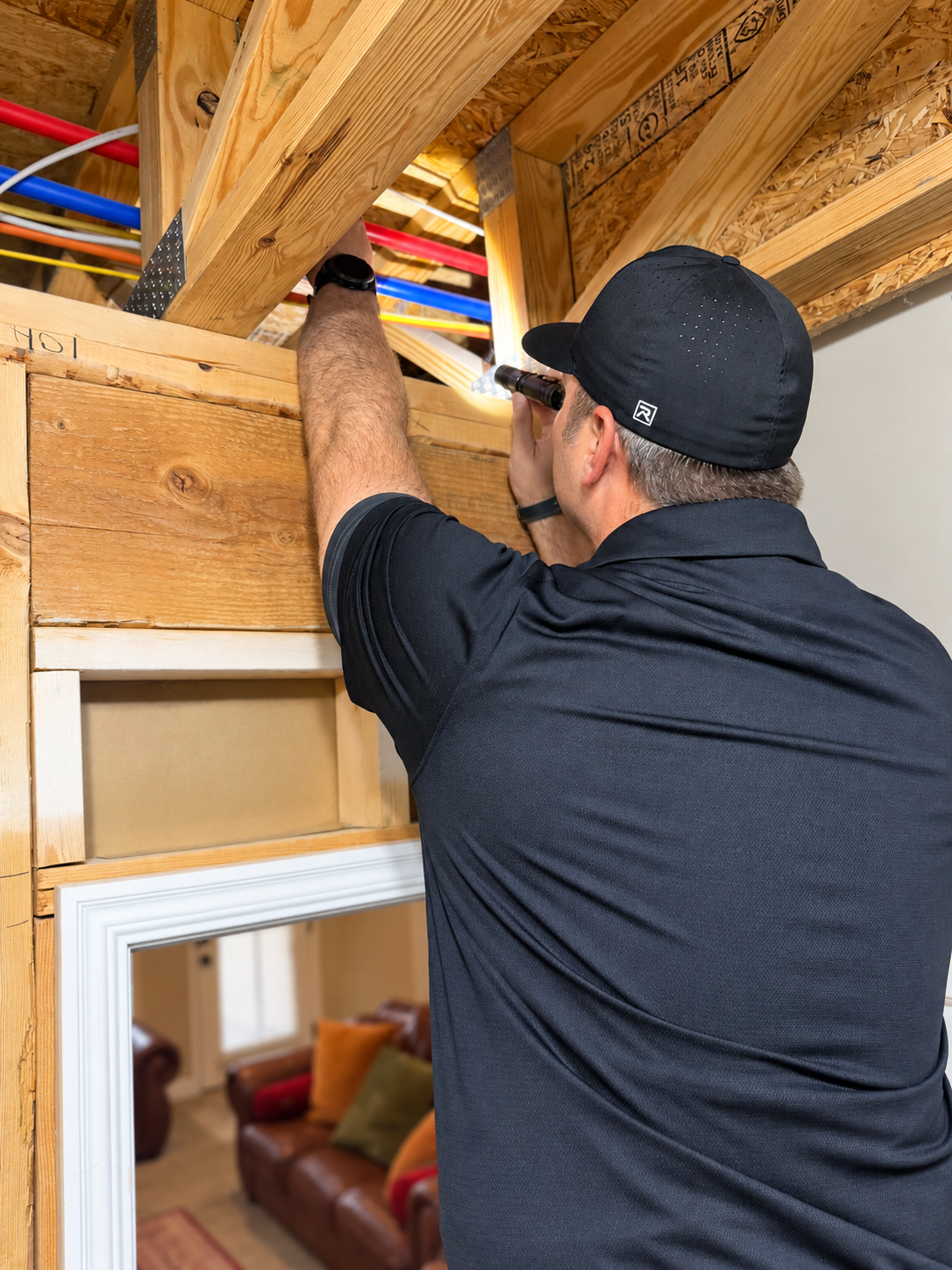
A basic home inspection is a comprehensive, non-invasive visual evaluation of a residential property's readily accessible systems and components. The inspection is designed to assess the overall condition and functionality of major structural elements, roofing, exterior components, foundation, electrical systems, plumbing, heating and cooling equipment, insulation, ventilation, and interior finishes. By systematically evaluating these components, a home inspection provides an objective overview of the property's observable condition at the time of the inspection.
A professional home inspection is an essential step in the home-buying process because it can identify visible defects, safety concerns, deferred maintenance, and potential areas of concern before they develop into more significant problems. Structural deficiencies, electrical hazards, plumbing leaks, and improper ventilation can lead to costly repairs or affect the long-term performance of a home. A detailed inspection report helps buyers make informed decisions, understand the condition of their investment, and prioritize necessary repairs and future maintenance. A professional inspection provides valuable insight into the property's condition and helps clients move forward with greater confidence and peace of mind.
At Heritage Home Inspections, we are committed to providing thorough, professional, and objective evaluations of residential properties. Our inspectors have received training and certification through the International Association of Certified Home Inspectors (InterNACHI), supporting our commitment to recognized industry standards and professional inspection practices. We evaluate accessible components, document observable deficiencies, and communicate our findings in a clear, organized inspection report. A home inspection is a non-invasive visual assessment limited to readily accessible and observable components at the time of the inspection. It is not a technically exhaustive evaluation, warranty, guarantee, or prediction of future performance. Concealed defects, inaccessible areas, and conditions requiring specialized testing, dismantling, or invasive procedures may not be identified. The inspection does not replace evaluations by qualified specialists when additional assessment is warranted. Our goal is to provide clients with an accurate understanding of the property's observable condition so they can make informed decisions regarding their home.
Basic Home Inspection
Radon Inspection
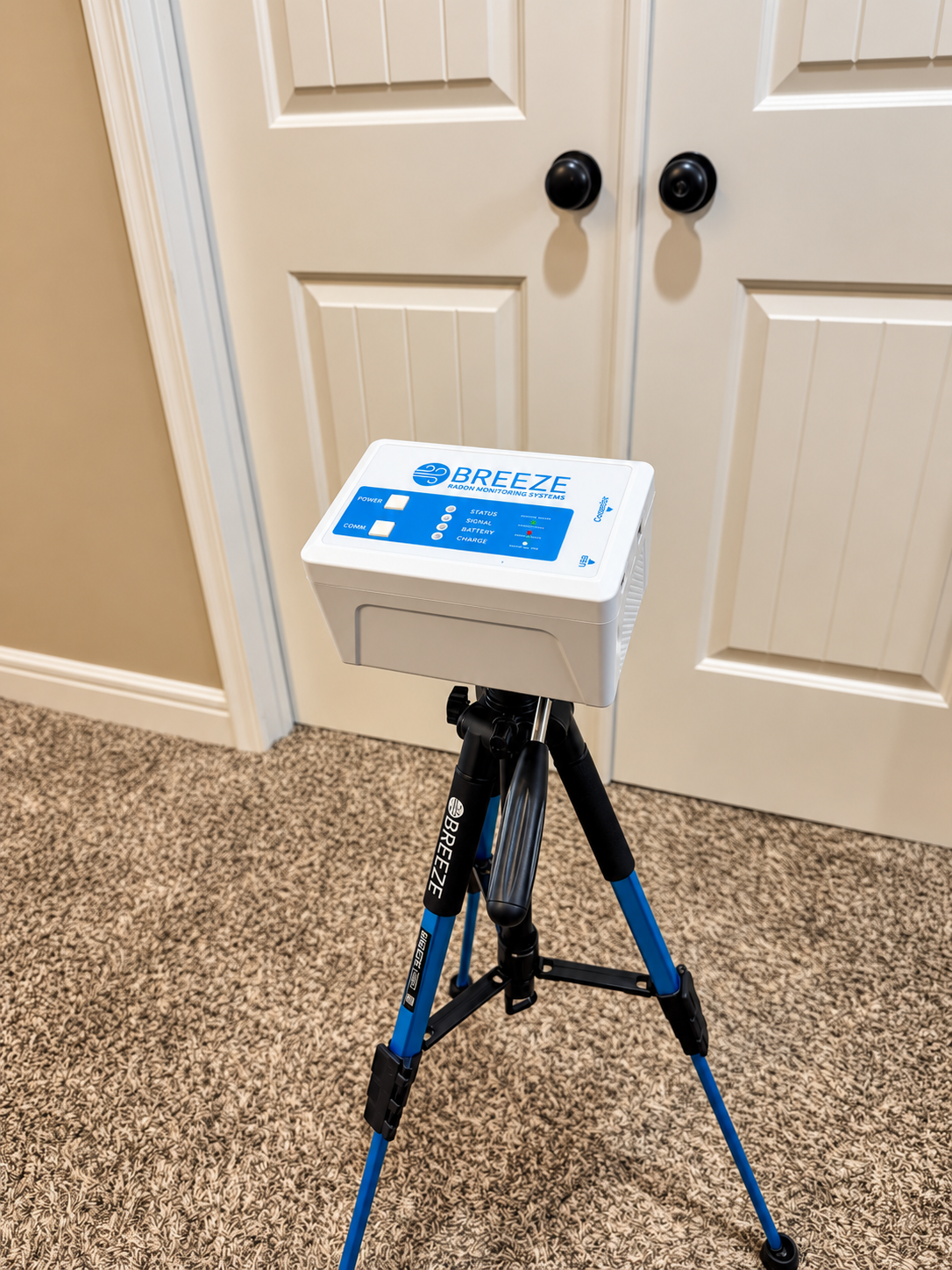
Radon is a naturally occurring, radioactive gas produced by the breakdown of uranium in soil, rock, and groundwater. Because radon is colorless, odorless, and invisible, it can enter a home through cracks in the foundation, openings around pipes, and other gaps in contact with the ground. Once inside, it can accumulate to potentially dangerous levels without any visible signs or noticeable symptoms. Kansas and Missouri homeowners should pay particular attention to radon because much of each state has a high or moderate potential for elevated indoor radon levels. The EPA classifies both Kansas City, Kansas, and Kansas City, Missouri, as Zone 1 areas, indicating the highest potential for elevated radon. Radon can affect any home regardless of age, construction type, or foundation, making professional testing an important step in understanding your home's indoor air quality.
Radon exposure is a serious health concern because it is the second-leading cause of lung cancer in the United States, after smoking, and the leading cause among people who have never smoked. The U.S. Environmental Protection Agency (EPA) estimates that radon exposure contributes to approximately 21,000 lung cancer deaths each year. Long-term exposure increases the risk of developing lung cancer, and the risk is even greater for people who smoke. Since radon cannot be detected by sight or smell, testing is the only way to determine whether elevated levels are present in your home.
At Heritage Home Inspections, we offer professional 48-hour radon testing to help you understand the radon levels inside your home. During the inspection, we place a radon testing device in an appropriate location and allow it to measure radon concentrations over a continuous 48-hour period during closed house conditions, following applicable testing protocols. Once the test is complete, we review the results and provide you with the measured radon level so you can make an informed decision about your property. If elevated levels are detected, we can help you understand the significance of the results and recommend appropriate next steps, including evaluation by a qualified radon mitigation professional. Whether you are buying a home, selling a property, or simply looking out for your family's health, Heritage Home Inspections is here to help you make informed decisions with confidence.
Sewer Scope
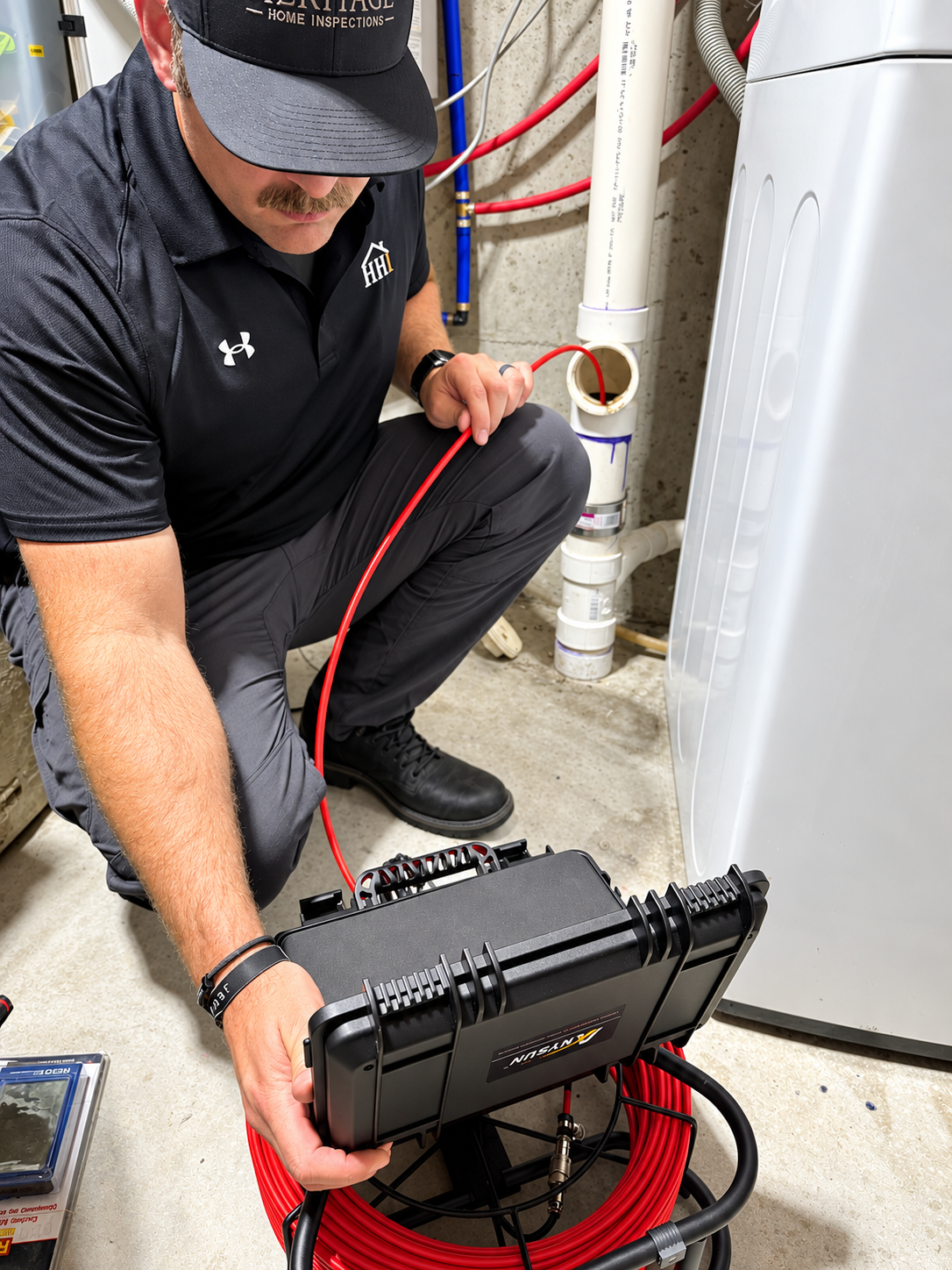
A sewer scope inspection is a visual inspection of the underground sewer line that runs between the home and the city sewer connection or septic system connection (sewer/septic tap). Although this line is buried underground and out of sight, it plays a critical role in carrying wastewater away from the home. Over time, sewer lines can develop cracks, leaks, root intrusion, blockages, separated joints, or other damage that may not be detected during a standard home inspection. A sewer line problem can lead to slow drains, sewage backups, unpleasant odors, and costly repairs.
A sewer scope inspection is important because problems with an underground sewer line can be expensive to repair, and many issues remain hidden until a major failure occurs. Older homes, mature trees, shifting soil, and deteriorating pipe materials can all contribute to sewer line damage. Even a home that appears to have properly functioning plumbing may have underlying issues in the sewer line. Identifying potential problems before purchasing a home can help buyers make informed decisions, plan for future maintenance, and potentially avoid unexpected repair expenses.
At Heritage Home Inspections, we use an advanced sewer inspection camera to examine the interior of the underground sewer line between the home and the city sewer or septic connection. The camera is carefully guided through the accessible sewer line, allowing us to view its interior and identify visible concerns such as root intrusion, obstructions, cracks, damaged joints, or other signs of deterioration. Our findings help provide a clearer picture of the sewer line's visible condition at the time of inspection. A sewer scope is a visual inspection and cannot guarantee future performance or identify every possible defect, but it is a valuable step in understanding the condition of an often-overlooked part of the home.
Mold & Environmental Condition Inspection
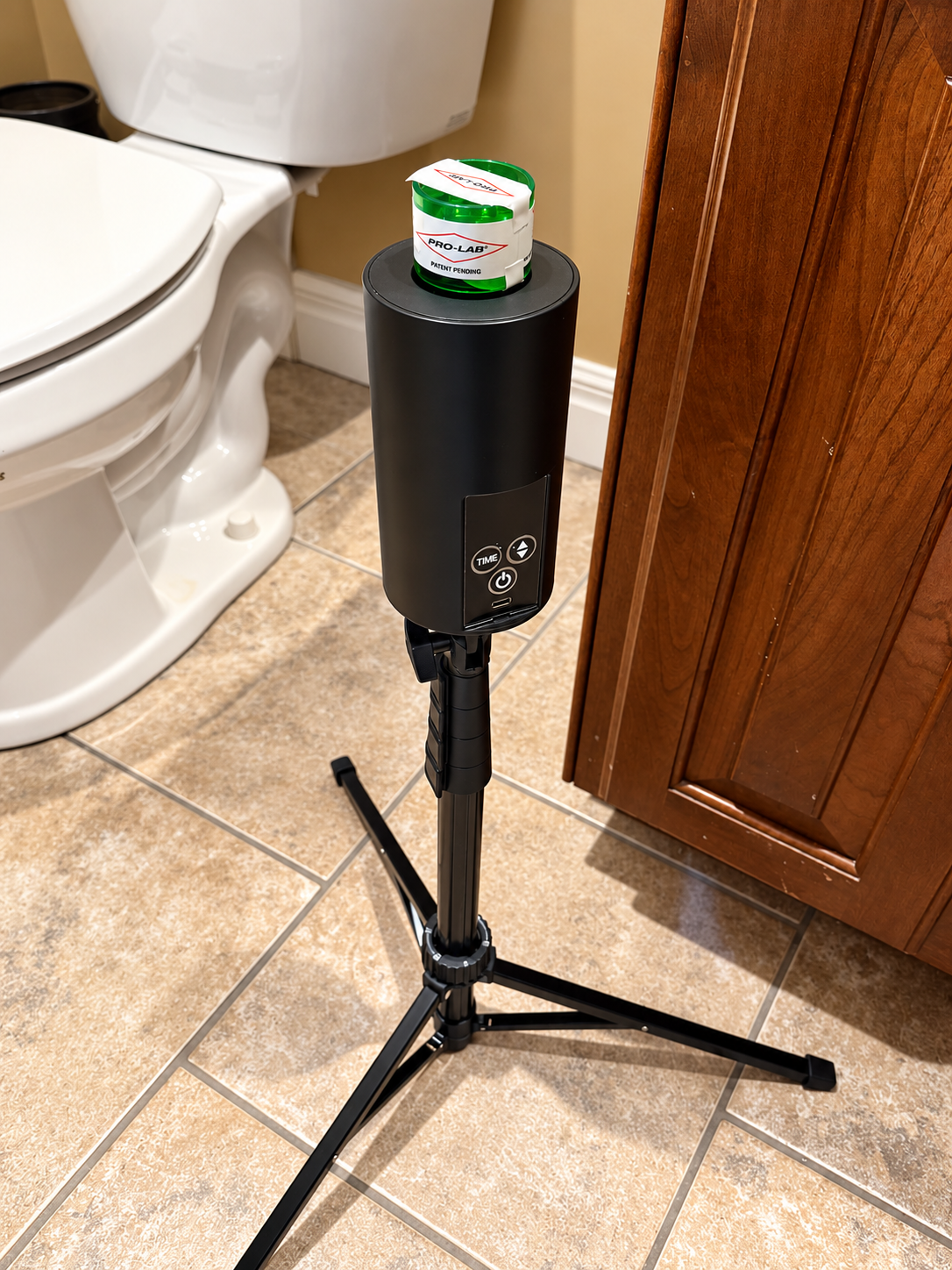
Indoor mold growth is a moisture-driven biological process that can adversely affect indoor environmental quality. When sufficient moisture is present, fungal colonies can develop on building materials and release microscopic spores into the surrounding air. These airborne spores may become distributed throughout a home, including areas where fungal growth is not readily visible. Certain molds and their associated biological particles may contribute to allergic responses, respiratory irritation, and other adverse health effects in susceptible individuals. Professional mold air spore sampling provides an analytical method for evaluating airborne fungal concentrations and characterizing indoor air quality. This service is particularly valuable when assessing properties with a history of water intrusion, elevated humidity, persistent musty odors, or suspected concealed moisture conditions.
Heritage Home Inspections conducts mold air spore sampling using a specialized air sampling pump equipped with spore trap collection media. Samples are collected from multiple targeted locations throughout the home to evaluate airborne fungal particles in areas of interest. The collection media captures airborne particulate matter, including microscopic mold spores that are undetectable through visual examination alone. Following collection, samples are expedited to a qualified laboratory for microscopic analysis, identification, and quantification of airborne fungal spores. Laboratory findings are compiled into a report documenting the types and concentrations of mold spores detected, providing objective data to help evaluate indoor environmental conditions and determine whether additional investigation may be warranted. When appropriate, results may be interpreted in the context of outdoor reference samples, since outdoor fungal concentrations and seasonal conditions can influence indoor measurements. Air sampling represents conditions at the time of collection and should be considered alongside visual observations, moisture assessments, and the property's history. Sampling cannot independently confirm the presence or absence of all hidden mold growth, and results do not, by themselves, establish a health risk.
To provide a more comprehensive assessment of indoor environmental conditions, Heritage Home Inspections also screens for carbon monoxide (CO), relative humidity, and ambient temperature using celebrated monitors. Carbon monoxide is a toxic, colorless, and odorless gas produced by incomplete combustion that can accumulate indoors due to malfunctioning fuel-burning appliances such as ovens, stove tops, water heaters, furnaces, and other fuel burning systems. Inadequate venting or other combustion-related issues can lead to dangerously elevated CO readings indoors. Screening for CO can help identify potentially hazardous conditions at the time of inspection, although it does not replace properly installed carbon monoxide alarms or a comprehensive combustion-safety evaluation. Relative humidity measurements help characterize the moisture content of indoor air and identify conditions that may promote condensation, microbial growth, and deterioration of moisture-sensitive building materials. Temperature measurements provide additional environmental data that, when evaluated alongside humidity, can help identify conditions conducive to surface condensation and elevated moisture risk. Together, these measurements establish a useful snapshot of the home's environmental conditions and help identify concerns that may warrant further evaluation. Heritage Home Inspections combines systematic air sampling with environmental screening to provide clients with meaningful, evidence-based information about the condition of their indoor environment at the time of the inspection.
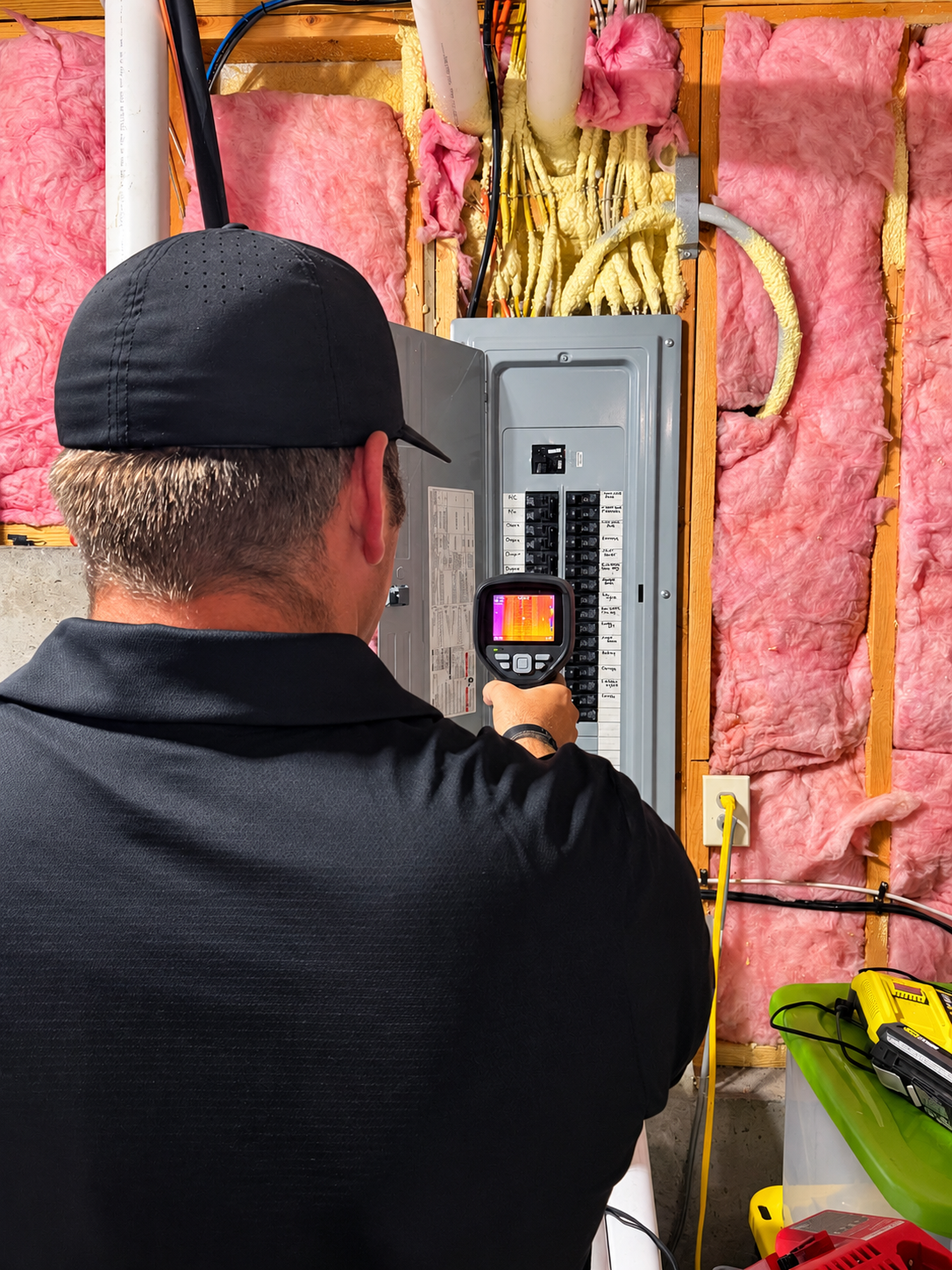
A selective thermal imaging inspection is a non-invasive evaluation technique that uses infrared technology to identify temperature variations on visible surfaces throughout selected areas of a home. These temperature differences, known as thermal anomalies, may indicate concerns that are not readily apparent during a standard visual inspection. Thermal imaging can help identify potential moisture intrusion, missing or inadequate insulation, air leakage, and unusual heat patterns associated with electrical components or other building systems. Because certain deficiencies can develop behind walls, above ceilings, or beneath finished surfaces, thermal imaging provides an additional method of evaluating areas where concealed issues may exist.
At Heritage Home Inspections, our selective thermal imaging inspection involves using a professional-grade thermal imaging camera to evaluate specific areas of the home where thermal imaging may provide meaningful information. These areas are selected based on visible conditions, suspected deficiencies, and observations made during the home inspection. Depending on the property and conditions present, this may include examining portions of interior and exterior walls, ceilings, areas surrounding windows and doors, plumbing locations, and accessible electrical components for abnormal temperature patterns. This service is selective in scope and does not constitute a comprehensive thermal scan of every surface or system throughout the property. Heritage Home Inspections has received thermal imaging training and certification through the International Association of Certified Home Inspectors (InterNACHI), along with extensive practical experience using thermal imaging cameras in the fire service to locate concealed heat signatures and identify hidden discrepancies.
Thermal imaging is valuable because it can help reveal potential building deficiencies that may otherwise remain undetected during a conventional visual inspection. Identifying abnormal temperature patterns can direct attention to areas of suspected moisture intrusion, insulation deficiencies, air infiltration, or other conditions that may warrant further evaluation. However, infrared cameras measure surface temperatures and do not see through walls or independently confirm the presence of moisture, mold, or electrical defects. Results can also be influenced by weather, temperature differences, building materials, and other environmental conditions. When a potential concern is identified, additional inspection or testing may be recommended to determine its cause. At Heritage Home Inspections, our goal is to provide clients with valuable additional insight into the home's condition while helping identify potential concerns that might otherwise go unnoticed.
Selective Thermal Imaging

A drone roof inspection incorporates unmanned aerial vehicle (UAV) technology and high-resolution digital imaging to facilitate a detailed visual assessment of roofing systems and elevated exterior components. This technology enables the acquisition of aerial perspectives that may be difficult to obtain through conventional ground-level observations or direct physical access. Detailed imagery can assist in evaluating roofing materials, ridge caps, valleys, flashing transitions, penetrations, chimneys, gutters, and other critical components for visible indications of deterioration, material displacement, storm-related damage, or installation deficiencies. By expanding the inspector’s field of view, aerial imaging provides an additional method of identifying potential defects and documenting observable conditions that may otherwise remain undetected during a standard visual assessment.
At Heritage Home Inspections, our inspection methodology prioritizes direct physical evaluation of the roof whenever reasonably possible, with consideration given to roof pitch, surface conditions, structural accessibility, and personnel safety. When physical access is impractical or presents an unacceptable safety risk, we employ a professional-grade unmanned aerial vehicle equipped with a 4K ultra-high-definition camera to obtain detailed visual documentation of otherwise inaccessible areas. Our drone pilot is appropriately certified by the Federal Aviation Administration (FAA) and operates in accordance with applicable federal aviation requirements. This technology serves as a complementary diagnostic aid to the physical home inspection, extending visual coverage of elevated and obstructed surfaces while allowing for closer examination of potential irregularities without unnecessary exposure to fall hazards or damage to roofing materials.
The integration of aerial imaging into the home inspection process can be particularly beneficial when evaluating complex roof geometries, steep slopes, elevated structures, or areas where conventional access is restricted. High-resolution imagery may reveal observable abnormalities such as displaced or missing shingles, deteriorated flashing, compromised ridge components, accumulated debris, and other conditions that merit additional investigation. These observations can help identify areas of concern that might otherwise escape detection due to limitations in visibility or physical accessibility. Although drone imaging enhances the scope of a visual assessment, it cannot independently establish the presence of every concealed defect, evaluate all underlying building materials, or replace direct examination when warranted and safely achievable. By integrating systematic physical inspection procedures with advanced aerial imaging when conditions necessitate, Heritage Home Inspections delivers a more comprehensive, safety-conscious evaluation designed to improve defect recognition, strengthen visual documentation, and support informed property ownership and real estate decisions.